Planning a winter trip to Fairbanks, Alaska is exciting—but timing your visit can make a big difference in your overall experience. From chasing the northern lights to enjoying snow-covered landscapes and winter activities, each month offers something slightly different.
If you’re still in the early stages of planning, this complete Fairbanks winter travel guide can help you understand what to expect before choosing your travel dates.
In this guide, you’ll learn the best time to visit Fairbanks depending on what you want to experience most.
Understanding Winter in Fairbanks
Winter in Fairbanks typically runs from November through March, bringing deep snow, freezing temperatures, and long nights—perfect conditions for a true Arctic experience.
Unlike many destinations, winter in Fairbanks is not just about cold weather. It’s about clear skies, peaceful surroundings, and the opportunity to witness natural phenomena like the northern lights.
Temperatures can range from around -10°F to -30°F (-23°C to -34°C), especially during the coldest months, so preparation is key.
Best Time to See the Northern Lights in Fairbanks
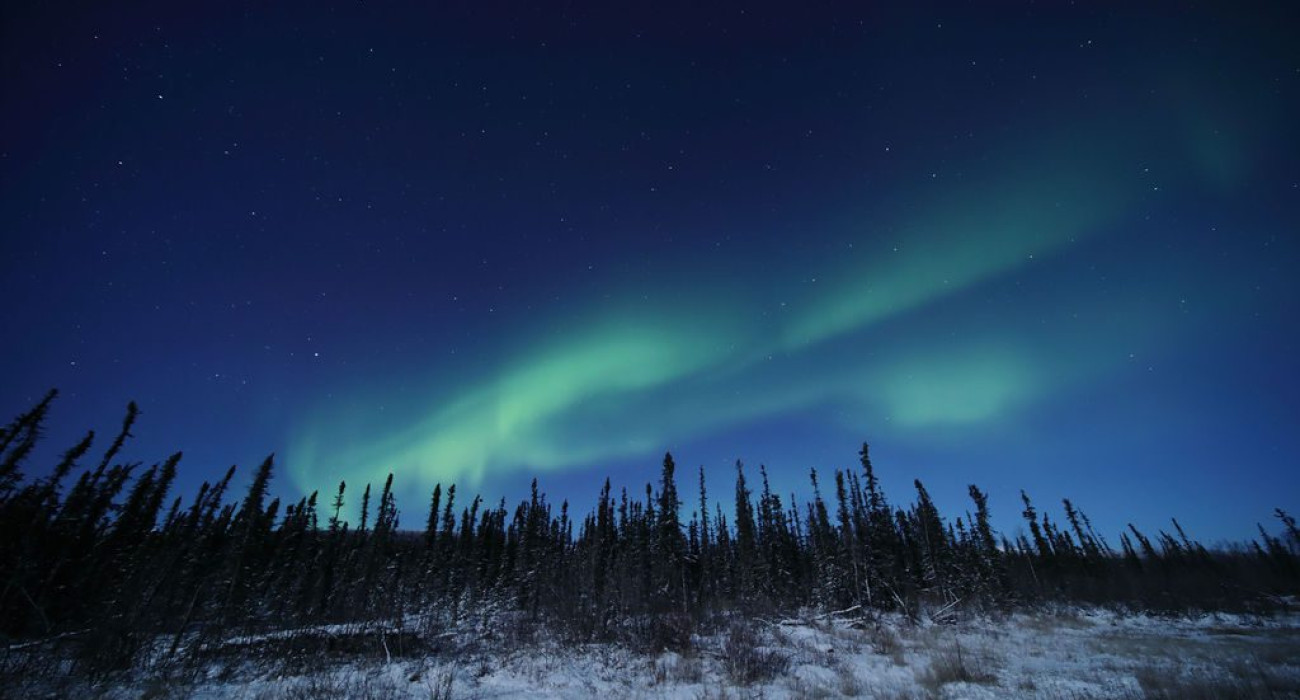
One of the main reasons travelers visit Fairbanks is for the northern lights, also known as the aurora borealis.
The best time to see the northern lights is from late August to early April, but the peak winter viewing season is between December and March.
If you want a deeper breakdown, this guide on when you can see the northern lights in Fairbanks, Alaska can help you plan your trip more precisely.
During these months, Fairbanks experiences long, dark nights and clear skies, which increase your chances of seeing the aurora. The lights are usually visible late at night, often between 10 PM and 2 AM.
Staying in a location away from city lights can improve your viewing experience, allowing you to see the aurora more clearly and comfortably.
Best Months for Winter Activities
If your goal is to enjoy outdoor adventures, each winter month offers different advantages.
If you’re planning activities, exploring the top things to do in Fairbanks during winter can help you match your travel dates with the experiences you want.
November to January
This is the heart of winter. Snow is fully settled, and activities like dog sledding and snowmobiling are in full swing. It’s also one of the best times for northern lights viewing due to longer nights.
February to March
These months are often considered ideal for travelers who want a balance of activities and comfort. Days become slightly longer, temperatures are more manageable, and conditions are still perfect for winter adventures.
Popular activities during this time include:
- Dog sledding through snowy trails
- Snowmobiling across open landscapes
- Visiting hot springs
- Ice fishing and guided winter tours
Pros and Cons of Each Winter Month
Understanding the differences between months can help you plan a trip that matches your expectations.
Early Winter (November to December)
Pros: Strong aurora activity, fewer crowds
Cons: Very limited daylight hours
Mid-Winter (January)
Pros: Peak winter scenery and activities
Cons: Coldest temperatures of the season
Late Winter (February to March)
Pros: Better daylight, more comfortable weather, great for activities
Cons: Slightly shorter nights for aurora viewing
There is no “wrong” time to visit—just different experiences depending on what you prioritize.
Where You Stay Matters More Than You Think
While timing your visit is important, where you stay can also shape your experience in Fairbanks.
Choosing the right place to stay in Fairbanks for the perfect winter vacation can make a big difference, especially if you want both comfort and easy access to winter activities.
Many travelers choose accommodations that allow them to enjoy both comfort and easy access to winter activities. Staying somewhere quiet and surrounded by nature can also improve your chances of seeing the northern lights without needing to travel far at night.
Some visitors prefer cabins or private lodges that offer a more peaceful and immersive experience compared to standard hotels. Places like Alaska Adventure Properties are designed with this in mind, giving travelers a warm and relaxing space to return to after a full day in the cold.
Tips for Planning Your Winter Trip
To make the most of your visit, keep these practical tips in mind:
- Dress in layers with proper thermal gear
- Plan activities ahead, especially during peak season
- Allow multiple nights for northern lights viewing to increase your chances
- Choose accommodations that give you both comfort and convenient access to outdoor experiences
Flexibility is important, especially when it comes to weather and aurora visibility.
Choosing the Right Time for Your Trip
The best time to visit Fairbanks ultimately depends on what kind of experience you’re looking for.
If your focus is the northern lights, aim for the darker months of winter. If you prefer a balance of activities and slightly milder conditions, late winter may be the best choice.
No matter when you visit, Fairbanks offers a unique winter experience that combines adventure, natural beauty, and moments you won’t find anywhere else.
Planning ahead—and choosing the right place to stay—can turn your trip into something truly unforgettable.